
Flowers
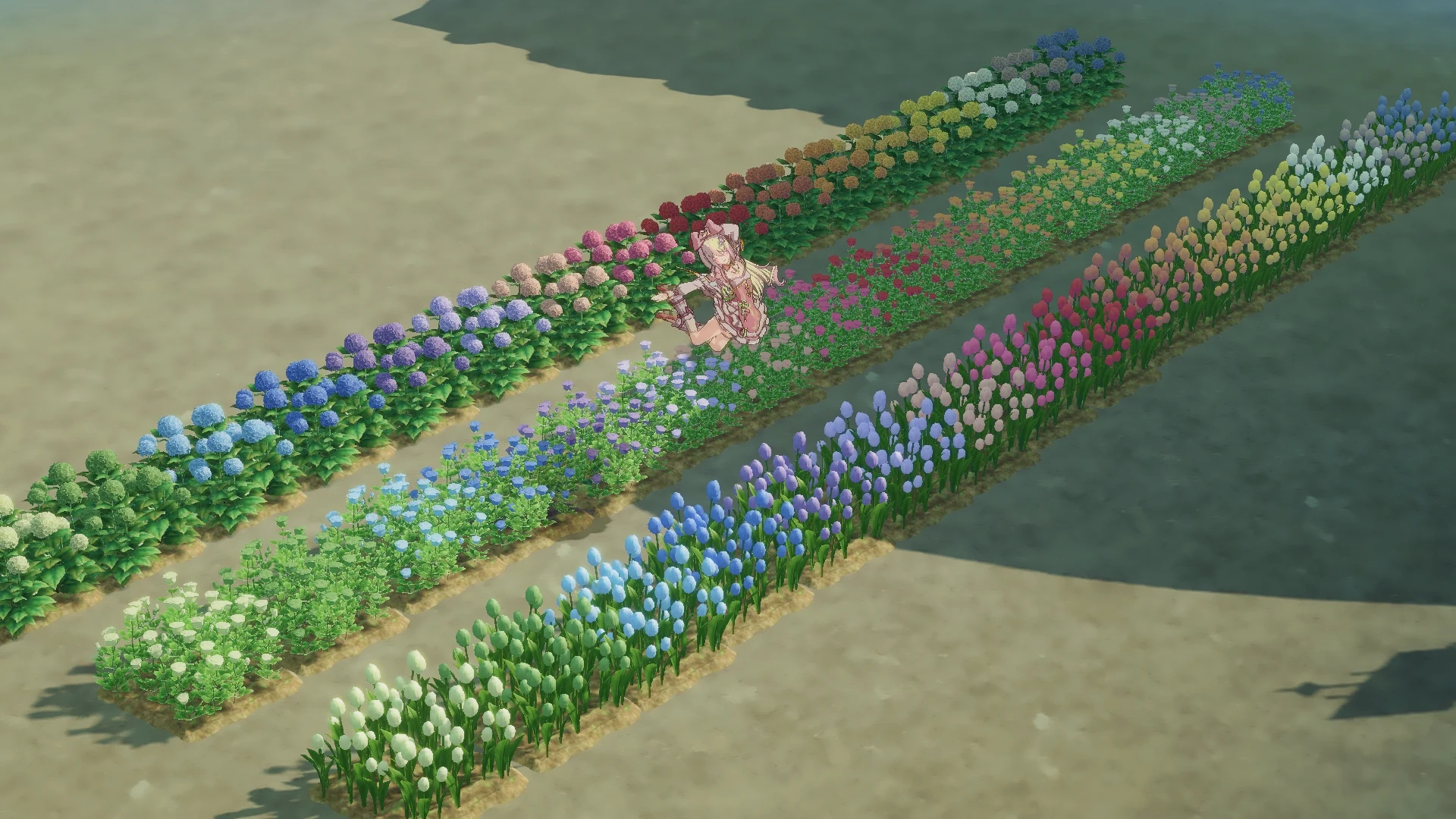
Homestead flower breeding uses 6 gene pairs: 2 for shape (A/a, B/b) and 4 for color (C/c, D/d, E/e, F/f). Each flower has one of 4 shapes and one of 16 colors. Tulips, roses, and hydrangeas can cross-pollinate; tulips grow fastest, so many guides start with tulips then pollinate hydrangeas.
Other related links
Known in-game bug (roses and hydrangeas)
Currently the Mandarin rose is mislabeled as "Pale-Gold" in-game. In addition, the Pale-Gold rose and Pale-Gold hydrangea currently have no name. This causes a UI naming bug: the unnamed flower will show the last flower name you viewed. If you have not viewed any flower beforehand, it shows "Loading...".
Growth and pollination
Base grow times and pollination windows per species. Fertilizer shaves time off growth; sterilizing fertilizer blocks pollination without changing flower outcomes.
| Type | Base grow time | Pollination window | Fertilizer |
|---|---|---|---|
| Tulips | 5.5 h | 30 min |
|
| Roses | 19.8 h | 45 min |
|
| Hydrangeas | 43.5 h | 1 h |
|
Grow times and fertilizer effects from game data (HomePlantRuleTable).
How genes work
Uppercase = dominant, lowercase = recessive. A recessive trait only shows when both copies are recessive (e.g. aa). Each parent contributes one allele per gene to offspring.
In game data, genes are stored in order C, D, E, F, A, B (color loci first, then shape).
Shape (A/a, B/b)
A/a, B/b → 4 shapes
A_B_Straight stem + Extra leaf (tulip/rose) / extra flower (hydrangea)L-straightA_bbBent stem + Extra leaf (tulip/rose) / extra flower (hydrangea)L-curvedaaB_Straight stem + No extraS-straightaabbBent stem + No extraS-curved
Color (C/c, D/d, E/e, F/f)
C/c, D/d, E/e, F/f → 16 colors
Black (ccddeeff) does not produce seeds.
Rarity is from color genes only (shape does not affect it), by number of recessive alleles:
- 0–1 recessive · uncommon ·
e.g. C_D_E_F_, ccD_E_F_ - 2 recessive · rare ·
e.g. ccddE_F_ - 3 recessive · epic ·
e.g. ccddeeF_ - 4 recessive · legendary ·
e.g. ccddeeff (no seeds)
Inheritance (Punnett square)
Each gene is inherited independently. One parent gives one allele, the other gives the other. For one gene pair, e.g. Aa × Aa:
| A | a | |
| A | AA | Aa |
| a | Aa | aa |
→ 25% AA, 50% Aa, 25% aa (recessive shows only with aa).
All flowers (by shape × color)
Every combination of 4 shapes and 16 colors for each of the three species that can be bred in the Homestead. They share the same genetics and can cross-pollinate, however the same genotype can look different on tulips, roses, and hydrangeas.
| # | Tulips | Roses | Hydrangeas | |||||||||
|---|---|---|---|---|---|---|---|---|---|---|---|---|
| A_B_L-straight | A_bbL-curved | aaB_S-straight | aabbS-curved | A_B_L-straight | A_bbL-curved | aaB_S-straight | aabbS-curved | A_B_L-straight | A_bbL-curved | aaB_S-straight | aabbS-curved | |
#1 C_D_E_F_ Uncommon |   31 31 |  37 37 |  35 35 |  41 41 |  51 51 |  52 52 |  59 59 |  64 64 | 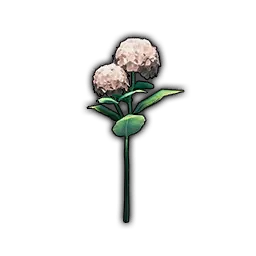 106 106 |  110 110 |  96 96 | 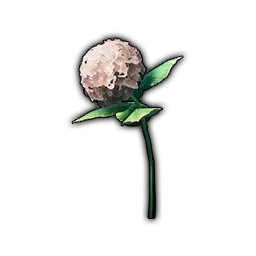 123 123 |
#2 ccD_E_F_ Uncommon |  36 36 |  40 40 |  41 41 |  44 44 |  63 63 |  61 61 |  59 59 |  70 70 |  111 111 |  119 119 |  137 137 | 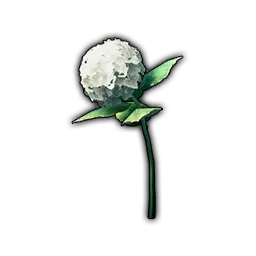 131 131 |
#3 C_ddE_F_ Uncommon |  38 38 |  43 43 |  42 42 |  46 46 |  62 62 |  70 70 |  67 67 |  73 73 | 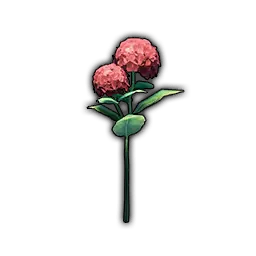 99 99 |  140 140 |  123 123 |  135 135 |
#4 C_D_eeF_ Uncommon |  35 35 |  39 39 |  43 43 |  46 46 |  55 55 |  65 65 |  60 60 |  71 71 | 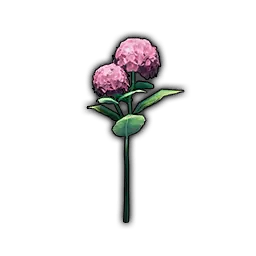 104 104 |  107 107 |  117 117 |  133 133 |
#5 C_D_E_ff Uncommon |  35 35 |  41 41 | 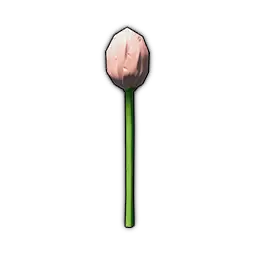 43 43 |  45 45 |  64 64 |  69 69 |  64 64 |  76 76 | 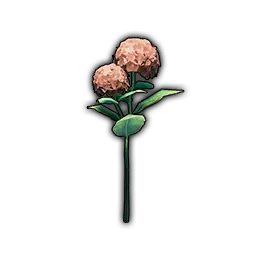 112 112 | 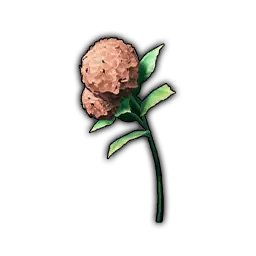 107 107 |  122 122 |  154 154 |
#6 ccddE_F_ Rare |  42 42 |  46 46 |  47 47 |  50 50 |  63 63 |  77 77 |  79 79 |  79 79 |  139 139 |  127 127 |  118 118 |  168 168 |
#7 ccD_eeF_ Rare |  43 43 |  48 48 | 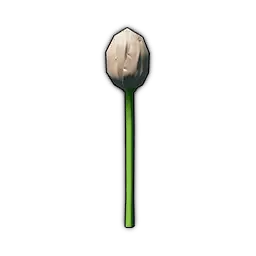 46 46 |  51 51 |  62 62 |  81 81 |  67 67 |  85 85 | 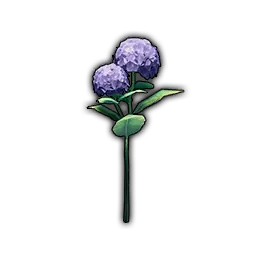 126 126 |  133 133 |  160 160 |  174 174 |
#8 ccD_E_ff Rare | 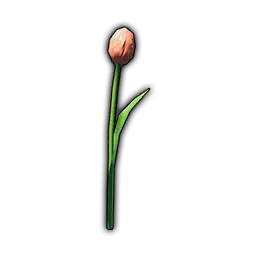 42 42 |  46 46 |  46 46 |  53 53 |  71 71 |  72 72 |  73 73 |  81 81 | 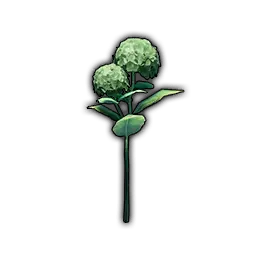 138 138 |  126 126 |  126 126 | 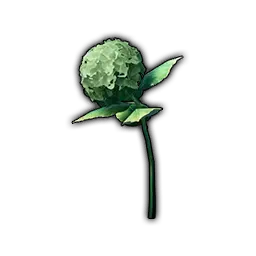 141 141 |
#9 C_ddeeF_ Rare | 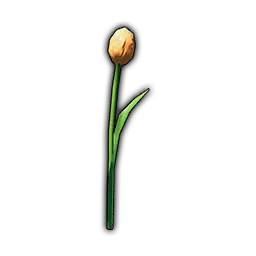 40 40 |  48 48 |  47 47 | 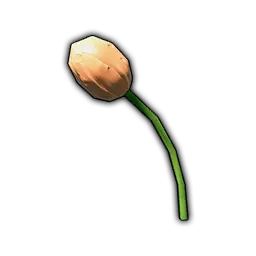 50 50 |  68 68 |  81 81 |  72 72 |  85 85 |  112 112 |  144 144 |  124 124 |  146 146 |
#10 C_ddE_ff Rare |  41 41 |  45 45 |  44 44 |  48 48 |  61 61 |  75 75 |  79 79 |  87 87 |  141 141 |  135 135 |  154 154 |  168 168 |
#11 C_D_eeff Rare | 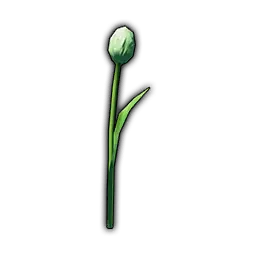 43 43 | 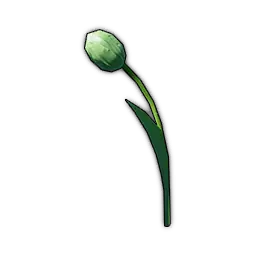 47 47 |  44 44 |  53 53 |  73 73 |  77 77 |  69 69 |  79 79 | 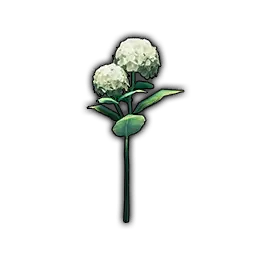 122 122 |  137 137 |  145 145 |  149 149 |
#12 ccddeeF_ Epic |  46 46 |  51 51 |  53 53 |  58 58 |  74 74 |  79 79 |  79 79 |  96 96 |  139 139 |  159 159 |  124 124 |  190 190 |
#13 ccddE_ff Epic |  42 42 |  50 50 |  50 50 |  53 53 |  71 71 |  77 77 |  85 85 |  83 83 | 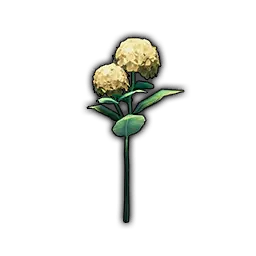 150 150 | 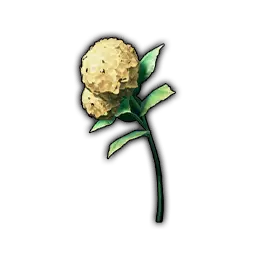 135 135 |  155 155 | 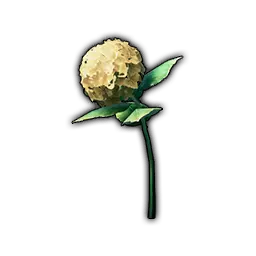 193 193 |
#14 ccD_eeff Epic |  48 48 |  47 47 |  53 53 |  53 53 |  69 69 |  88 88 |  80 80 |  97 97 | 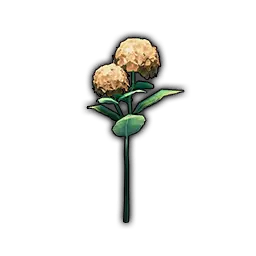 119 119 | 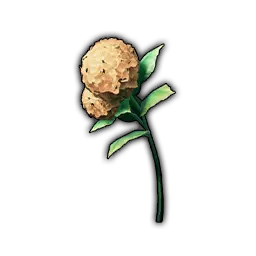 159 159 |  170 170 |  132 132 |
#15 C_ddeeff Epic |  47 47 |  49 49 |  51 51 |  52 52 |  67 67 |  81 81 |  78 78 |  80 80 |  136 136 |  132 132 |  147 147 |  160 160 |
#16 ccddeeff Legendary(no seeds) |  46 46 |  55 55 |  50 50 |  58 58 |  77 77 |  86 86 |  81 81 |  100 100 | 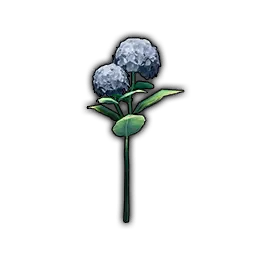 170 170 |  185 185 |  170 170 | 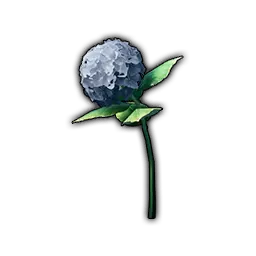 171 171 |
Breeding simulator (beta)
Pick two flowers and see the estimated chance of each child result.
Parent 1
Parent 2
Order doesn't affect results. Parent 1 × Parent 2 gives the same chances as Parent 2 × Parent 1.
#1 Crimson
C_D_E_F_ · Uncommon
31.641%
#2 Bright Yellow
ccD_E_F_ · Uncommon
10.547%
#3 Mandarin
C_ddE_F_ · Uncommon
10.547%
#4 Peachy
C_D_eeF_ · Uncommon
10.547%
#5 Tangerine
C_D_E_ff · Uncommon
10.547%
#6 Pale Gold
ccddE_F_ · Rare
3.516%
#7 Brown
ccD_eeF_ · Rare
3.516%
#8 Chestnut
ccD_E_ff · Rare
3.516%
#9 Bright Orange
C_ddeeF_ · Rare
3.516%
#10 Wisteria
C_ddE_ff · Rare
3.516%
#11 Pine Green
C_D_eeff · Rare
3.516%
#12 Kikyo Purple
ccddeeF_ · Epic
1.172%
#13 Fresh Green
ccddE_ff · Epic
1.172%
#14 Navy Blue
ccD_eeff · Epic
1.172%
#15 Mist Blue
C_ddeeff · Epic
1.172%
#16 Silver Gray
ccddeeff · Legendary
0.391%
Breeding tips
Cross-shaped field
Use a 3x3 grid: plant the provider flower in the center and four others around it (cardinal directions). The center should bloom at least 30 minutes earlier (use fertilizer) so it donates genes and does not receive from neighbors.
Spacing
Keep at least 1.6 squares between different breeding fields to avoid unwanted cross-pollination; 2 or more squares is safer. For high-value hydrangeas (aabbccddE_ff), space them 2 or more squares apart or they may cross and produce black flowers.
2 or more gap preferred
Roses & hydrangeas from tulips
You can pollinate roses and hydrangeas from tulips through field placement cross-pollination. Tulips grow faster, so perfect your target genotype on tulips first, then plant hydrangea (or rose) seeds around the tulip in a cross-shaped field to transfer genes. This does not apply to manual pollination with pollen from other players.
Black flowers
Black flowers (ccddeeff) do not produce seeds. They are useful as a center "provider" to breed toward ccddE_ff, but don't harvest them for seeds.
Much info sourced from BPSR Flowers (Google Sheet)